When Should You Change Your Oil?
Simple signs your engine is telling you it’s time
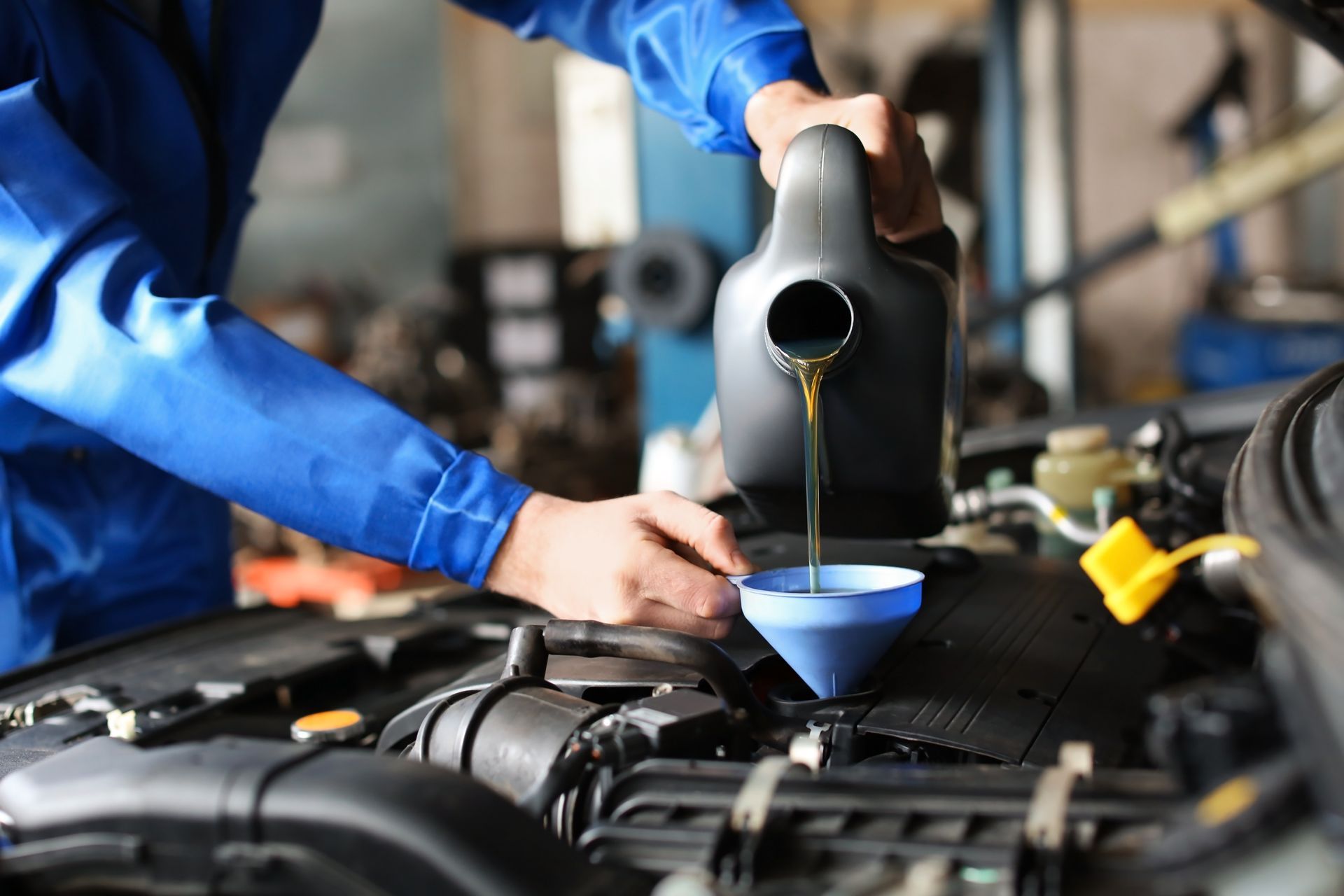
Oil changes are one of the most talked-about maintenance services in automotive care, yet they’re also one of the most misunderstood. Many drivers in Southampton, NY still rely on outdated rules or dashboard reminders without fully understanding what engine oil actually does or how driving habits affect oil life. At Joe’s Garage Inc., we believe informed vehicle owners make better decisions, so let’s break down exactly when you should change your oil and the warning signs your engine may already be giving you.
Modern vehicles are more advanced than ever, but they still rely on clean, effective oil to operate properly. Whether you drive a daily commuter, an SUV, or a newer electric-assisted vehicle, understanding oil change timing can help prevent unnecessary wear, reduce repair costs, and extend the life of your engine.
Why Engine Oil Matters More Than You Think
Engine oil does far more than just lubricate moving parts. It plays several critical roles that directly impact engine performance and longevity. Oil reduces friction between metal components, absorbs heat generated during combustion, prevents corrosion, and carries contaminants away from sensitive areas inside the engine. Over time, oil becomes contaminated with dirt, fuel residue, and microscopic metal particles.
As oil breaks down, it loses its ability to protect your engine effectively. In Southampton, NY, driving conditions such as short trips, seasonal temperature changes, and stop-and-go traffic can accelerate oil degradation. When oil becomes too thin, dirty, or chemically unstable, it can no longer perform its job, leaving engine components exposed to excess wear.
This is why oil changes aren’t just routine maintenance. They are preventive protection for one of the most expensive systems in your vehicle.
The Truth About Oil Change Intervals
You’ve probably heard the old recommendation to change your oil every 3,000 miles. While that rule once made sense, it no longer applies to most modern vehicles. Advances in engine design and oil technology have extended recommended oil change intervals significantly. Many vehicles today can safely go 5,000, 7,500, or even 10,000 miles between oil changes depending on the oil type and driving conditions.
However, mileage alone does not tell the full story. Driving habits matter just as much as distance traveled. Frequent short trips, extended idling, towing, heavy loads, and extreme temperatures all place additional stress on engine oil. If most of your driving occurs around Southampton, NY with short distances and seasonal weather shifts, your oil may degrade faster than expected.
At Joe’s Garage Inc., we encourage drivers to think beyond mileage and consider how and where they drive when determining oil change timing.
Clear Signs Your Vehicle Is Due for an Oil Change
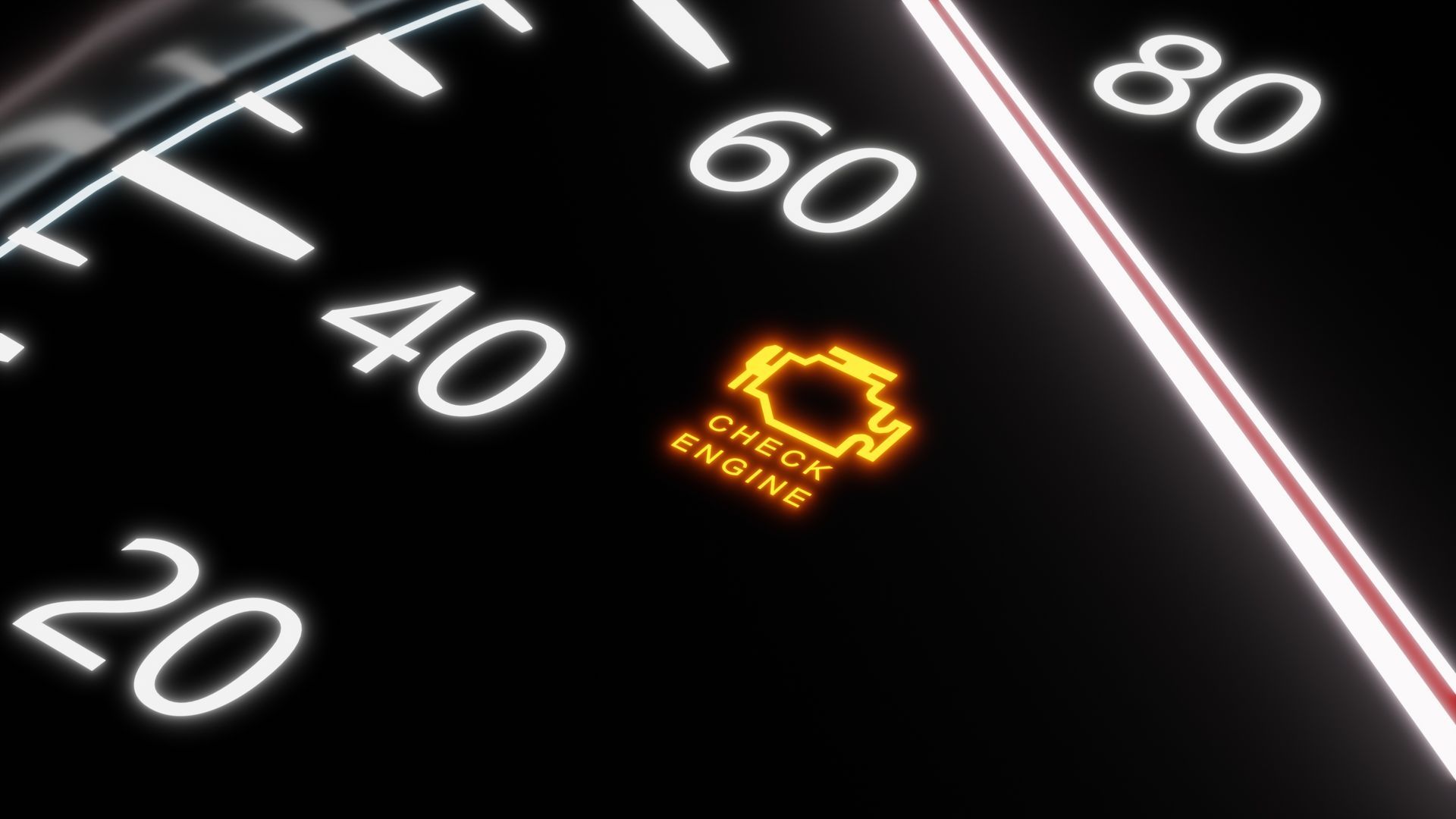
Your engine often gives subtle warnings when oil quality is declining. One of the most obvious indicators is the oil warning light or maintenance reminder on your dashboard. While these systems are helpful, they are based on algorithms and sensors rather than direct oil condition analysis. They should be taken seriously but not treated as the only indicator.
Changes in engine sound can also signal oil issues. If your engine sounds louder, rougher, or less smooth than usual, degraded oil may no longer be cushioning moving components effectively. You may also notice reduced fuel efficiency, as increased friction inside the engine forces it to work harder.
Another clear sign is oil appearance. Fresh oil is typically amber and translucent. As oil ages, it darkens and thickens as contaminants build up. While darker oil alone does not always mean immediate danger, excessively dirty or gritty oil suggests it has exceeded its effective service life.
Why Time Matters as Much as Mileage
Even if you don’t drive often, oil still degrades over time. Moisture accumulation, temperature fluctuations, and chemical breakdown can occur even when a vehicle sits unused. For drivers in Southampton, NY who may use a vehicle seasonally or for occasional trips, time-based oil changes are just as important as mileage-based ones.
In general, most vehicles should receive an oil change at least once or twice per year, regardless of mileage. Letting oil sit too long can allow acids and moisture to damage internal engine components. Regular oil changes help remove these contaminants before they cause long-term issues.
This is especially important for vehicles that experience frequent short trips, where the engine does not fully warm up long enough to burn off moisture.
Synthetic vs Conventional Oil and What It Means for You
Not all oil is created equal. Conventional oil, synthetic oil, and synthetic blends each offer different performance characteristics. Synthetic oil is engineered to provide better temperature stability, improved lubrication, and longer service intervals. Many modern vehicles require synthetic oil to meet manufacturer specifications.
Choosing the correct oil type is essential for maintaining engine performance and warranty compliance. Using the wrong oil can reduce protection and increase wear, even if oil changes are performed on time. At Joe’s Garage Inc., we follow manufacturer-recommended oil specifications and consider driving conditions unique to Southampton, NY when servicing vehicles.
Understanding the oil your vehicle requires helps ensure optimal protection and avoids unnecessary engine stress.
How Oil Changes Support Preventative Maintenance
Oil changes serve as more than just fluid replacement. They are an opportunity to evaluate overall engine health. During an oil service, technicians can identify early signs of leaks, abnormal consumption, or contamination that may indicate developing issues.
Routine oil changes also allow us to monitor wear patterns and spot concerns before they turn into expensive repairs. Preventative maintenance is about addressing small problems early, and oil service plays a central role in that strategy.
For drivers who want long-term reliability, consistent oil changes are one of the most cost-effective ways to protect their investment.
Oil Changes and Long-Term Engine Life
Engines that receive consistent oil changes tend to last significantly longer than those that do not. Clean oil reduces internal friction, minimizes heat buildup, and prevents sludge formation. Sludge buildup is one of the leading causes of premature engine failure and is often the result of neglected oil changes.
By staying on schedule, drivers in Southampton, NY can improve engine performance, maintain fuel efficiency, and avoid costly internal repairs. Oil changes are a small investment that delivers significant long-term benefits.
At Joe’s Garage Inc., we see firsthand how proper maintenance habits impact vehicle longevity. Engines that receive regular care simply perform better over time.
Making the Right Oil Change Decision
Ultimately, the best time to change your oil depends on your vehicle, driving habits, and environmental conditions. While manufacturer guidelines provide a solid starting point, personalized recommendations based on real-world use offer the greatest protection.
We encourage drivers to pay attention to warning signs, consider time as well as mileage, and avoid delaying service once oil quality begins to decline. Staying proactive keeps your engine running smoothly and reduces the risk of unexpected repairs.
Understanding when to change your oil empowers you to make smarter maintenance decisions and helps ensure your vehicle remains reliable for years to come.